
Chat with us, powered by LiveChat
Sales: 0333 0307788 Mon-Fri 8am-6pm Sat-Sun 9am-4pm

Woods Health Supplements - Affordable Quality Since 1981

Immune System

Boost your immune system to fight off infections and relieve the symptoms of colds and flu with our high strength vitamins and supplements.
  • Your Body Works Differently After 50. Here’s How to Help Your Immune System This Winter.

    As the golden hues of autumn give way to the crisp chill of winter, many of us find ourselves reaching for thicker jumpers and planning cosy evenings in. But while we focus on keeping our homes warm, it's equally vital to consider how we support our internal defences. Imagine waking up congestion-free after a frosty night and starting your day with clarity and energy. Such a rewarding sense of wellness can be a reality by boosting your internal defences for the season.

    If you are over 50, you might have noticed that bouncing back from a winter cold takes a little longer than it used to. This isn't just in your head; we often experience changes in our immune system as we age.

    The good news? You can actively support your body's defences. Let's dive into the science of winter immunity and look at why a tailored solution, like Woods Health 50+ Multivitamins, is a good investment for the colder months.

    How our Bodies Change as we age

    Our nutritional needs are not static; they evolve just as we do. As we enter our 50s and beyond, two significant changes can make winter especially challenging: the Absorption Slump and the Sunshine Shortfall.

    1. Reduced Absorption: Our bodies become less efficient at absorbing key nutrients from food, including Vitamin B12 and magnesium. Imagine enjoying the same scrambled eggs you've always loved, but now your body only captures part the Vitamin B12 it used to. This change highlights the importance of considering nutrient absorption as we age.
    1. The "Sunshine" Gap: As we age, our skin’s ability to synthesise Vitamin D from sunlight decreases. Combine this with the grey British winter, and deficiency becomes almost inevitable without supplementation.

    To bridge this gap, you don't just need more vitamins; you need the right balance.

    The "Big Three" for Winter Immunity

    There are some beneficial nutrients that science shows are critical for immune defence. The Woods Health 50+ Multivitamin ticks all three boxes efficiently:

    1. Vitamin D3: The Immune Modulator

    Often called the "Sunshine Vitamin," Vitamin D is essential during winter. Public Health England recommends everyone supplement it between October and March.

    • Why you need it: It activates the T-cells in your body that detect and kill invading pathogens like flu viruses.
    • The Woods Health Benefit: This formula provides 100% of your Nutrient Reference Value (NRV) of Vitamin D3, ensuring you hit that baseline protection even on the cloudiest days.
    1. Zinc: The Gatekeeper

    Zinc is often overlooked, but it is essential for immune cell development.

    • Why you need it: Research suggests that maintaining adequate zinc levels can help reduce the duration of cold symptoms and acts as a "gatekeeper" for your immune response against respiratory infections.
    • The Woods Health Benefit: The 50+ Multivitamin formula includes a robust 10mg of Zinc, vital for older adults who may not be getting enough from diet alone.
    1. Antioxidants (Vitamins C, E, and Selenium)

    Winter can put our bodies under stress (oxidative stress, to be precise). Antioxidants are the cleanup crew that repairs cell damage. What happens to damaged cells left unrepaired for months? This neglect can lead to further cellular damage, accelerating aging and increasing the risk of chronic diseases. It's vital to address oxidative stress to maintain overall health.

    • Why you need it: Vitamin C helps stimulate the production of white blood cells, while Selenium is crucial for reducing inflammation and supporting an ageing immune system. Vitamin E helps to modulate the immune function.
    • The Woods Health Benefit: This isn't just a Vitamin C tablet; it combines Vitamin C, Vitamin E, and 55μg of Selenium for a multi-layered defence system.

    Beyond Immunity: Energy and Clarity

    Winter isn't just about avoiding the flu; it's about avoiding the "winter blues" and fatigue.

    One standout feature of the Woods Health 50+ Multivitamin is the inclusion of Ginkgo Biloba Extract. While not typically found in standard multivitamins, Ginkgo is fantastic for the 50+ demographic. It supports healthy blood circulation and cognitive function, helping with the "foggy" feeling that often accompanies the darker days.

    Furthermore, the high levels of B-Complex Vitamins (B1, B2, B6, B12) help reduce tiredness and fatigue, helping you with energy levels so you can still enjoy your winter walks.

    Frequently Asked Questions

    Q: Why should I choose this "50+" multivitamin?
    A: Some standard multivitamins are often formulated for younger adults with higher metabolic rates and different absorption capabilities. This 50+ blend is tailored to account for lower absorption rates and includes specific additions such as Ginkgo Biloba to support healthy ageing.

    Q: When is the best time to take my multivitamin?
    A: To maximise absorption, take your tablet just after a main meal. Vitamins A, D, and E are fat-soluble, meaning your body absorbs them much better when they are consumed alongside a small amount of healthy dietary fat.

    Q: Can I take this alongside my prescribed medication?
    A: Always consult your GP or pharmacist before starting a new supplement if you are on prescription medication.

    The Verdict

    Navigating the supplement aisle can be confusing, but simplicity is often key to consistency. Rather than juggling four or five different bottles (Vitamin D, Zinc, B12, Ginkgo), the Woods Health 50+ Multivitamin offers a tailored, "one-a-day" solution designed specifically for your biology.

    It is cost-effective and grounded in the science of what our bodies actually need as we age. Are you ready to help build your winter defences?


    Disclaimer: Food supplements should not replace a varied diet. If you are taking prescribed medication, please consult your doctor before taking food supplements.


    References

    Schulz, M.T. & Rink, L. (2025). Zinc deficiency as possible link between immunosenescence and age-related diseases. Immunity & Ageing, 22(19).

    Calder, P.C., et al. (2022). Nutrition, Immunosenescence, and Infectious Disease: An Overview of the Scientific Evidence on Micronutrients. Advances in Nutrition, 13(5).

    Fantacone, M.L., et al. (2020). The Effect of a Multivitamin and Mineral Supplement on Immune Function in Healthy Older Adults: A Double-Blind, Randomized, Controlled Trial. Nutrients, 12(8).

    Zhu, Z., et al. (2025). Dietary antioxidants and nutritional risk in the elderly. Frontiers in Immunology, 16.

    Kassis, A., et al. (2023) Nutritional and lifestyle management of the aging journey: A narrative review. Frontiers in Nutrition, 24 (9) 1087505. Link: https://pmc.ncbi.nlm.nih.gov/articles/PMC9903079/

    Wessels, I. et al(2017) Zinc as a gatekeeper of immune function.  Nutrients, 9(12) 1286. Link: https://pmc.ncbi.nlm.nih.gov/articles/PMC5748737/

    Kurrutas, E. B. (2016) The importance of antioxidants which play the role in cellular response against oxidative/nitrosative stress: current state. Nutrition Journal, 15 (71). Link: https://pmc.ncbi.nlm.nih.gov/articles/PMC4960740/

    Huang, Z., Rose, A. H. and Hoffman, P. R. (2012) The Role of Selenium in Inflammation and Immunity: From Molecular Mechanisms to Therapeutic Opportunities. Antioxidants and Redox Signalling Journal, 16(7), 705-743. Link: https://pmc.ncbi.nlm.nih.gov/articles/PMC3277928/

    Vogel, J. (2022) Cardiovascular Activity of Ginkgo biloba—An Insight from Healthy Subjects. Biology, (1) 15. Link: https://pmc.ncbi.nlm.nih.gov/articles/PMC9855530/

  • Garlic for colds and flu season: a nutritional therapist’s winter protocol

    If you’re looking for a simple, evidence‑informed winter routine, this guide brings together what research suggests about garlic alongside immune‑supporting nutrients like vitamin C, vitamin D3+K and zinc, plus practical lifestyle steps. It’s friendly on the stomach, easy to follow, and designed to set realistic expectations. As always, food supplements should not be used as a substitute for a varied diet and healthy lifestyle.

    Why garlic features in a winter routine

    Supporting prevention and early response during the cold and flu season: Ensure optimal intake of these nutrients, through diet and/or supplements:

    • Odourless garlic: Use per product directions. Studies have shown that garlic can help to support the immune system.
    • Vitamin D3+K: Both Vitamin D and K also contribute to the normal function of the immune system.
    • Vitamin C and Zinc: Has also been shown to contribute to the normal function of the immune system.

    Lifestyle foundations to support your immune system

    • Sleep: Aim for 7–9 hours. Keep a regular schedule, dim lights in the evening, and get morning daylight.
    • Hydration: Warm fluids (herbal teas, broths) can soothe the throat and help mucus clearance.
    • Nutrition: Try to include different colourful vegetables, fruits, protein and whole grains in your daily diet. Limit excess alcohol and ultra‑processed foods - both of these may lead to more inflammation in the body.

    First signs protocol (start within 24 hours of scratchy throat, sneezing, or chills)

    • Garlic: Continue your usual garlic supplement. Stick to the upper end of label guidance and reduce if you notice stomach upset.
    • Vitamin C: Taking vitamin C daily will help to support your immune system.
    • Vitamin D3+K: Continue your daily dose.
    • Gentle self‑care: Rest, eat warm soups, drink herbal teas, take honey and lemon for coughs (honey is not suitable for children under 1 year).

    Questions we are asked by customers

    Is garlic proven to prevent colds?

    • Evidence has shown benefits to taking garlic to support the immune system. It’s reasonable to consider garlic as part of a broader routine rather than a standalone “cure.”

    What’s the best form - odourless or raw?

    • For winter routines, odourless garlic may be easier to tolerate and more socially friendly. Choose a reputable product and follow the label. If you have a sensitive stomach or follow a low‑FODMAP diet, start low and go slow.

    Does Vitamin C really help?

    • At first signs, taking Vitamin C for a few days may help shorten symptom duration in some people.

    Should I take vitamin D daily or as a weekly dose?

    • Daily or near‑daily moderate dosing tends to perform better for respiratory support outcomes.

    Can I take these with my medicines?

    • Before starting to take any new supplement, consult with your GP/pharmacist, especially if you are already on medication, or starting a new course of medication. If you’re pregnant, breastfeeding, or have a long‑term condition, seek personalised advice.

    + + + + +

    Explore related products on woodshealth.com

    + + + + +

    Important notes

    • This article is for information only and is not a substitute for medical advice, diagnosis, or treatment.
    • If you have a medical condition, take prescription medicines, are pregnant or breastfeeding, or are considering supplements for a child, consult a healthcare professional.

    + + + + +

    References

    1. Lissiman E, Bhasale AL, Cohen M. Garlic for the common cold. Cochrane Database of Systematic Reviews. 2014;11:CD006206.
      Link: https://www.cochranelibrary.com/cdsr/doi/10.1002/14651858.CD006206.pub4/full
    2. Josling P. Preventing the common cold with a garlic supplement: a double‑blind, placebo‑controlled survey. Advances in Therapy. 2001;18(4):189‑193.
      Link (PubMed): https://pubmed.ncbi.nlm.nih.gov/11697022/
    3. Hemilä H, Chalker E. Vitamin C for preventing and treating the common cold. Cochrane Database of Systematic Reviews. 2013;1:CD000980 (and updates).
      Link: https://www.cochranelibrary.com/cdsr/doi/10.1002/14651858.CD000980.pub4/full
    4. Martineau AR, et al. Vitamin D supplementation to prevent acute respiratory infections: systematic review and meta‑analysis of individual participant data. BMJ. 2017;356:i6583.
      Link: https://www.bmj.com/content/356/bmj.i6583
  • Allergy Season: Prepare for Battle

    While many of us look forward to the beauty of Spring, for allergy sufferers it is probably the most annoying season of the year as the runny noses, puffy watery eyes, sneezing and itchiness starts.

    With the official start of Spring only a few weeks away, let’s look at how you can prepare your body to help fight off, or at least reduce the effects associated with seasonal allergies naturally.

    Our top 5 weapons are: -

    Natural supplements: Natural supplements boost your immune system and may reduce the need for common over-the-counter allergy medications, such as anti-histamines and decongestants.

    Vitamin C: The most common complaints during allergy season, such as watery eyes, sniffing, itchy throat and sneezing, are caused by one bad guy - histamine. Histamine is a natural chemical produced by the body's immune system that causes the symptoms of an allergic reaction, such as the red, itchy bump after a mosquito bite. Vitamin C is histamine's natural foe because it prevents its formation.

    Probiotics: Probiotics are "good" bacteria that live in our guts. Taking a broad-spectrum probiotic supplement can increase your immunity and decrease the likelihood of experiencing allergy symptoms.

    Omega-3 fatty acids: Omega-3 fatty acids are fats commonly found in oils from marine animals and plants, such as salmon and flaxseed. They have been shown to support good health in a variety of ways. They can also help you beat allergy symptoms! Omega-3s reduce inflammation in your sinuses and strengthen your immune system so that your body is ready to fight off allergens more effectively.

    Water: Staying hydrated can do a lot to relieve allergy symptoms. Dehydration triggers the body to release histamine (a nasty). Drinking around eight glasses of water every day is an easy, healthy way to feel better during allergy season.

  • Boosting Your Immunity

    At this time of the year many people could benefit from supporting their immune health to help reduce the risk of a winter-long battle against colds, coughs, the flu, and any other seasonal nasties.

    Let’s think of the immune system as the line of defense that help defends you from attackers such as viruses, bacteria, yeasts, and free radicals (damaging molecules). This line of defence is constantly guarding your body - identifying invaders, attacking them, and then cleaning up after the battle has been won.

    To help the immune system be as strong as possible and ready for battle, there are a few things we can do to help.

    Healthy Eating

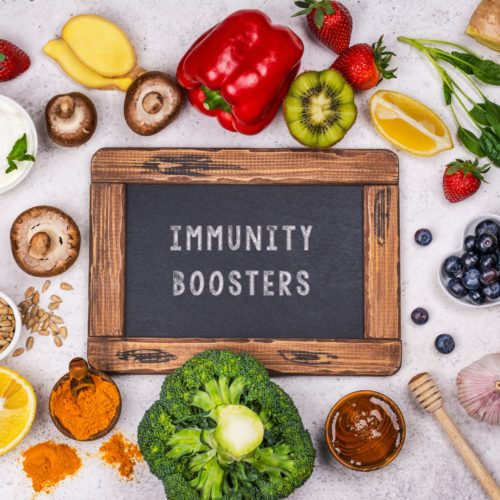
    A diet low in vitamins and minerals can impair immunity, especially a diet low in antioxidants (vitamins C, A, E and the minerals zinc and selenium) which help fight free radicals. Antioxidants are mainly found in fresh fruits and vegetables, so try and eat least five portions a day. Foods such as blueberries, strawberries, kale, spinach and red cabbage are good sources of antioxidants, as is dark chocolate! The antioxidants in cocoa and dark chocolate have been linked to other impressive health benefits such as less inflammation and reduced risk factors for heart disease.

    Manage Stress

    Stress is a major suppressor of the immune system. In conjunction with a poor diet (we tend to neglect our diet when stressed, often turning to alcohol, caffeine and sugary foods) it can have a detrimental effect on energy and nutrient levels, which just perpetuates the negative effect on our immune health.  B-vitamins, found in foods such as wholegrains, fortified cereals, green leafy vegetables, and eggs are important for energy production and to counter the worst effects of stress.

    Digestive Health

    Bacterial balance of the digestive tract is important for a healthy immune system.  The digestive tract is the largest immune organ in the body and having healthy bowel bacteria can make a real difference to immune health. Keep beneficial bacteria in good shape by eating lots of fibre from fruit and vegetables, and wholegrains such as brown rice and oats.

    Now, not everyone can get the vitamins and minerals they need through diet alone and may not be able to manage stress to the extent they would like. With that in mind, there are a variety of supplementary ‘immune boosters’ that can help boost the immune system.

    • Vitamin C is both anti-viral and anti-bacterial and is essential for building white blood cells (the main fighters in the immunity army).  It is needed to make collagen which ‘glues’ cells together making them less penetrable to invading nasties. Vitamin-C won’t ‘cure’ a cold, but it will help the immune system work more efficiently.
    • Turmeric contains a compound called curcumin, which has anti-inflammatory properties that can help to boost immunity.
    • Zinc is critical for immune health and deficiency is linked to poor wound healing and a susceptibility to infections.
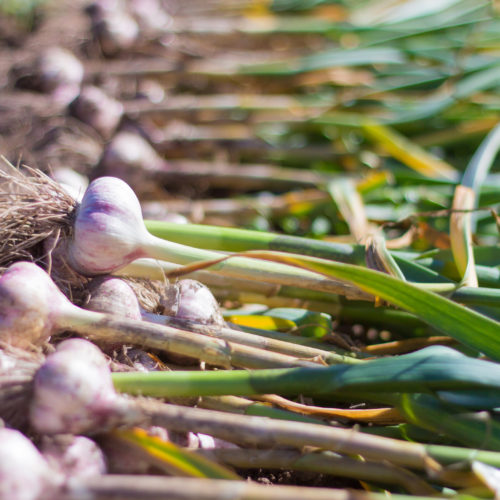
    • Garlic has a long traditional use for immune support and research has found that allicin from garlic converts to several active compounds with strong anti-viral and anti-bacterial properties.
  • Seasonal Supplements - Autumn

    Although autumn is a beautiful season with it golden colours and crisp mornings, it is not uncommon for many of us to start to feel a little under the weather as the temperatures drop and the dark nights draw in - bringing with them seasonal illnesses and side effects. Not only is it the start of cold & flu season, but other seasonal side effects are also common around this time of year – from dry skin to mental health issues.

    The colder weather and the increased use of central heating at home result many people experiencing dryer skin in the autumn months.  Some also find they experience a reduction in energy and motivation, and the darker nights may see increased levels of anxiety and depression for others.

    To help give your body the seasonal boost it may need at this time of year, here are just some key supplements that may help keep you fit and healthy at this time of year and help you prepare for the winter months.

    Vitamin A

    While nature helps us get increased vitamin A with seasonal produce rich in Vitamin A such as pumpkin, sweet potatoes and carrots, not everyone can get the vitamins they need from their diet alone.  Vitamin A can help our skin maintain moisture and elasticity. Because it has a very important antioxidant function, it can prevent the appearance of the free radicals responsible for skin aging. It evens out the skin, improving tone and texture. It also encourages the natural production of collagen.

    Vitamin D

    As we see less of the sun in the autumn months, it makes sense that we may need more of the ‘sunshine vitamin’ to help keep us healthy in the darker months when we may be leaving the house and returning home in the dark. Low levels of Vitamin D could leave you feeling tired and unwell.

    Vitamin C

    Vitamin C helps to build up the immune system and boost immunity in the colder months, as well as helping reduce the symptoms of cold & flu. This popular vitamin is also needed for strengthening the blood vessels, bones, gums and teeth. It also has a protective role as an antioxidant. Vitamin C also helps to maintain normal blood fat and cholesterol levels and is involved in fat metabolism.

    Ginger

    Ginger offers many health benefits and has been used for its medicinal purposes for many years, having first been cultivated in China as an all-purpose remedy thousands of years ago. Ginger can be used to help alleviate nausea and settle an upset stomach, as well as having anti-inflammatory properties that can work to ease the symptoms of a common cold or winter flu, as well as relieving headaches and other aches and pains that become more prominent in colder weather.

    Omega-3

    Omega-3 is used to make cell membranes and is therefore vital in helping to keep the cells in your body nice and healthy. An Omega-3 deficiency can lead to dry skin, fatigue, and depression - all of which can be worse during the autumn months. This general all round good vitamin can also help lower your risk of disease and reduce inflammation.

  • The benefits of odourless Garlic capsules

    People taking garlic supplements acquire significantly fewer colds than people taking a placebo. Garlic has been used for millennia as both a food and medicine. Although most studies of garlic's benefits involve raw or powdered garlic, odourless garlic products now dominate the supplement industry as equally healthy alternatives to their pungent-smelling counterparts. If you are interested in using odourless garlic supplements for any purpose, consult your health care provider about the possible benefits and risks.

     Fewer Side Effects

    According to the National Institutes of Health, bad breath and body odour are the most common side effects associated with garlic supplements. Although odourless forms of garlic still contain trace amounts of malodorous sulfur compounds, these processed products generally cause fewer side effects than conventional forms of the supplement. Odourless garlic is less likely to cause halitosis, or bad breath. It is also less likely to cause the pungent, sulfurous body odour classically associated with garlic. However, there is no evidence to suggest that garlic's other side effects, such as headache and dizziness, can be prevented through the use of odourless supplements.

     Cardiovascular Health

    Garlic works in a variety of ways to promote overall heart health, according to the University of Maryland Medical Center, or UMMC. Compounds in garlic supplements help to prevent platelet aggregation, or the clumping of blood cells. They may also cause modest reductions in total and low-density lipoprotein, or "bad," cholesterol levels. Additionally, the UMMC notes that garlic can help to reduce blood pressure. Although the American Heart Association acknowledges garlic's potential as a preventative in regard to cardiovascular disease, the association also notes a lack of consistent evidence regarding the relative efficacy of varying preparations. No well-designed studies have compared odourless garlic's benefits to those associated with other varieties.

    Common Cold

    Odourless garlic supplements may play a role in the prevention and treatment of the common cold, according to the UMMC. People taking garlic supplements acquire significantly fewer colds than people taking a placebo. Additionally, the National Institutes of Health report that garlic may help to reduce the severity of upper-respiratory infections, including coughs and colds. These findings are encouraging, but it is important to note that there is no cure for any viral infection. Unless otherwise directed by a qualified practitioner, do not rely upon garlic alone as a treatment for any disease or condition.

     Cancer Prevention

    Daily supplementation with odourless garlic may help to prevent several common forms of cancer. According to the UMMC, people who consume garlic regularly have lower rates of stomach and colorectal cancers. Limited evidence also suggests that garlic can help to prevent cancers of the breast, throat and prostate. The UMMC attributes these benefits to garlic's potent antioxidant activity and its ability to stimulate immune function. These findings are promising; however, it is important to note that most studies have involved raw or fresh garlic as part of a diet. No large-scale trials have investigated the use of aged, odourless garlic supplements for cancer prevention.

  • Prepare your defences for winter

    If you are fit and your immune system is in the peak of health, you can often fight off these infectious without developing sniffles, coughs, sneezes or sore throats. It is usually when you are stressed, lacking in nutrients or feeling tired and run down that symptoms tend to strike and never more so than during the colder winter months.

    Diet
    Even a minor lack of some nutrients can lower your immunity and lead to increased risk of disease, for example viral infections are also more likely in those lacking selenium or vitamin C.

    Eating your 5-a-day fruit and vegetables helps to maximise your intake of vitamins, minerals and antioxidants. While as many as possible should be eaten raw or lightly steamed, to preserve their nutrient content, winter warmers such as vegetable soups and stews are great for boosting immunity, too. The essential fatty acids found in oily fish are also important for immune function by regulating immune reactions to infection. Aim to eat at least two or three portions of oily fish per week (or take fish oil supplements). Add plenty of garlic and warming spices such as ginger and turmeric, all of which have natural antibacterial and anti-viral effects. If you are not sure if you are getting enough nutrients from your diet take a good quality Multivitamin and mineral supplement. Research involving 96 older people showed that those taking multivitamins for one year had better immune function, mounted a better response to influenza vaccination, and had half as many days ill with infections compared with those not taking multivitamin supplements.

    Lifestyle
    Smoking can contribute significantly to vulnerability to infection. Respiratory illnesses are more common in smokers and those exposed to passive smoking. Avoid smoky atmospheres that damage the nasal lining so cold viruses are more likely to take hold. Cigarette smoking uses up a greater quantity of vitamin C, therefore if you do smoke increase your intake of vitamin c rich food such as fruit and veg or consider boosting your levels with a vitamin C supplements.

    Reduce your stress.When you are stressed and run down, you are twice as likely to develop symptoms when exposed to a common cold virus. This is thought to be a result of high levels of stress hormones and depleted adrenal glands that interfere with immune function. If you are under a lot of stress you may benefit from a supplement such as Ginseng or Rhodiola to support your body’s ability to manage stress and increase resistance to infection.

    Regular exercise can boost your immunity so get moving, however keep a balance as those who over-exercise, such as those running marathons, are more at risk of viral illnesses due to the physical stress they are under.

    Sleep is a time of relaxation, regeneration and rejuvenation in which you secrete substances involved in healing and fighting disease. If you are not getting the quota that your body needs each night you could have an increased risk of getting ill. If you sleep badly one night, do your best to catch up with it the following night. If you are finding it difficult to sleep consider herbal remedies such as passion flower, rhodiola or valerian that can ease anxiety and naturally induce sleep.

    Keep your guts friendly bacteria in good shape. Most of your immune defences are housed in the wall of your small intestines. Beneficial probiotic bacteria stimulate immunity here. They secrete natural antibiotics and protect against viral infections.
    Monitor your alcohol intake. In small amounts, alcohol may protect against the common cold, but when you drink more than recommended amounts, your immune function is impaired.

    Wrap up warm. The old wives’ tale about catching a cold if you get wet and shivery appears to have some basis in fact. When you feel cold, blood is directed away from your peripheries, including your nose, so respiratory infections meet less resistance to their attack.

7 Item(s)