
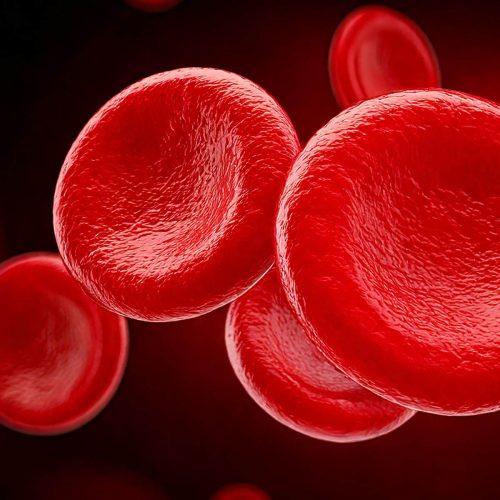
Vitamin B12 quietly helps your body make red blood cells, keeps your nerves working well, and turns food into energy. If you’re over 50 and notice your energy isn’t what it used to be, it’s worth paying attention to B12.
What does Vitamin B12 do? You can think of B12 as a spark plug for your cells. It helps two important enzymes: methionine synthase, which is needed for DNA and nerve health (think sharper memory and better mental clarity), and methylmalonyl-CoA mutase, which helps turn fats and proteins into energy (so your muscles stay strong and efficient). B12 is also key for making healthy red blood cells, which carry oxygen through your body. If you don’t have enough B12, you might feel tired. Common symptoms of deficiency may include fatigue, tingling in the hands or feet, and memory issues. These signs can also indicate other underlying conditions, so it is good to seek medical advice if you are experiencing these.
B12 helps your body make energy, but it won’t give you a quick boost like caffeine. If your B12 levels are already good, taking more won’t make you feel supercharged. However, if you’re low or just a bit low, getting enough B12 may help you feel less tired.
Why does B12 matter after 50? For some people, it gets harder to absorb B12 from food after the age of 50.
Here are some reasons why:
- Less stomach acid: As we get older, our stomachs often make less acid. B12 in food is bound to proteins and requires sufficient acid to be released. Without enough acid, your body can’t absorb B12 as well.
- Diet shifts: Eating less meat or animal products or following a vegetarian/vegan diet lowers B12 intake unless you consume fortified foods or take supplements.
Because of these factors, low B12 can be more common in older adults. If you notice new symptoms, it’s a good idea to talk to your doctor, as they could be caused by low B12 or another health issue.
Try to get your nutrients from food first, but after 50, even a healthy diet may not be enough if your body can’t absorb B12 well. Still, aim to include B12-rich foods in your meals:
- Good natural sources: sardines, salmon, trout, tuna, beef, dairy, and eggs.
- Fortified foods: plant milks, nutritional yeast, and some breakfast cereals are fortified with B12—these options are useful, especially if you eat fewer animal products.
When a supplement makes sense
Many experts suggest that adults over 50 get most of their B12 from fortified foods or supplements, since it can be harder to absorb B12 from food with age. You don’t need large doses unless you have a deficiency, but a daily supplement, like Woods Health Vitamin B12, can help support your energy, blood, and nerves.
Will B12 boost your energy if you’re not low? Probably not in a big way. But making sure your B12 is at a good level, not just barely normal, can help keep your energy steady. If you feel very tired, checking your B12 is a simple step.
Who’s most likely to benefit from a top-up?
- Adults over 50 (because of lower stomach acid and absorption)
- Vegetarians and vegans (unless using fortified foods regularly)
A quick, practical plan for the 50-plus crowd
- Do a food check: Are you getting B12-rich foods or fortified options most days?
- Consider a routine supplement: A simple daily B12 (for example, the Woods Health option above) can cover your bases.
- If you’re tired for no clear reason, it’s good to talk to your GP, as there are a few conditions that can cause this.
- Consistency beats perfection: A modest daily dose you actually take will outperform an ideal plan you forget.
The upshot: Whether your goal is to finish the day with energy to spare, support your nerves, or protect your brain health over the long haul, B12 is a small nutrient with an impact.
References
- Stabler S.P. (2013) Vitamin B12 deficiency. The New England Journal of Medicine. 368(2):149-160
- O’Leary F, Samman S., (2010) Vitamin B12 in health and disease. Nutrients, 2(3):299-316.
- National Institutes of Health, Office of Dietary Supplements. Vitamin B12 Fact Sheet for Health Professionals. https://ods.od.nih.gov/factsheets/VitaminB12-HealthProfessional/
- Baik HW, Russell RM., (1999) Vitamin B12 deficiency in the elderly. Annual Review of Nutrition,19:357-377.